
The first week after a patch is a trap
Every balance change is followed by a wave of confident tier lists built on almost no matches. Here is why the ones that survive the second week look different.
A balance change resets the clock on everything the game knew about itself. The day it ships, every rate the community had accumulated describes a game that no longer exists, and the new game has been observed for a few hours. That gap — enormous certainty about the old patch, almost nothing about the new one — is exactly when the loudest verdicts get made, and it is the worst possible moment to make one.
The problem is not that early numbers are biased in some fixable direction. It is that there are barely any of them. A rate built on the first few hundred matches of a patch is a coin flipped a handful of times, and a handful of flips will happily produce a run of heads that means nothing. The brawler at the top of a day-one list is usually there because a small number of very good players who main it queued up first, not because the change did what the list says it did.
A day-one tier list is not a measurement of the new patch. It is a measurement of who logged on first.
What changes after a patch
A nerf to a Super charge rate or a hitbox does something specific and legible, and if you understand the change you can often predict the direction before any data arrives. What you cannot predict is the size, because the size depends on how the rest of the roster responds — a brawler that got weaker in isolation can end up more valuable because the thing that used to counter it got weaker faster. That second-order shift is the part that takes real volume to see, and it is the part the first week gets wrong most often.
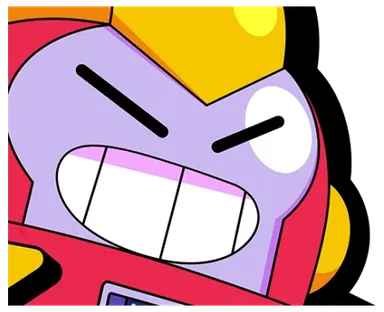
SurgeThe clearest example of a brawler whose value swings on how the rest of the roster moves around it, not on its own numbers alone.
So the practical move after a patch is not to find the new best brawler. It is to keep playing what you already know, watch the direction of the changes rather than the first rates attached to them, and give the board a week to gather enough matches that a name at the top is there for a reason. The tools to check are the same as always: how many decided matches a rate rests on, and how fast a surprising name disappears again.
KnockoutElimination modes react to a patch fastest, because one changed number can flip a matchup that a whole round hinges on.
None of this means ignore a patch. It means read it as a change to the game you already understand, not as a leaderboard reshuffle you have to memorise overnight. The board catches up within a week. The people who waited for it were right more often than the people who called it on day one.
Reviewed 20 Jul 2026; revised 3 Oct 2026.